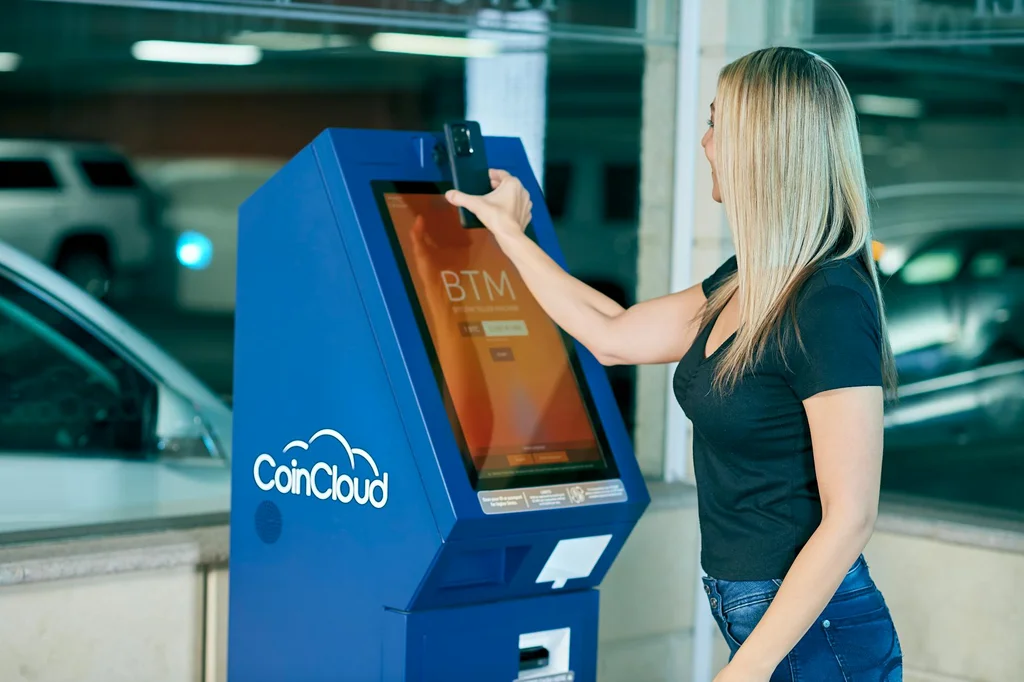
Effective control procedures for kiosk machines are essential to ensure their security, performance, and user satisfaction. Key measures include regular software updates, hardware maintenance, and robust access management, which collectively safeguard customer data and enhance operational efficiency. By leveraging kiosk management software and integrating advanced technologies, businesses can maximize ROI while providing a seamless user experience.
Understanding kiosk control procedures
The deployment of kiosk machines has dramatically altered how businesses interact with customers, offering new levels of convenience and operational efficiency. However, to maintain these benefits, effective control procedures are crucial. These procedures encompass regular software updates, hardware maintenance, and stringent user access management. By implementing these measures, kiosks stay secure and deliver a seamless user experience, ensuring that customers keep coming back.
Essential steps for maintaining kiosk performance
Maintaining kiosk performance involves several key steps. First, regular software updates are essential. These updates not only introduce new features but also patch security vulnerabilities. Automatic update systems can ensure that kiosks are always running the latest software versions, minimizing downtime and security risks.
Hardware maintenance should be scheduled regularly to prevent failures and prolong the life of the machines. This includes checking the physical condition of components and ensuring that all connections are secure. By adhering to a regular maintenance schedule, businesses can avoid unexpected disruptions and costly repairs.
The importance of robust control measures
Robust control measures are vital for the security and efficiency of kiosk operations. Multi-factor authentication (MFA) is a critical tool for securing user access. By requiring multiple forms of verification, MFA reduces the risk of unauthorized access.
Compliance with data security standards such as PCI DSS and HIPAA is also essential. These standards ensure that customer data is handled securely, protecting both the business and its clients from data breaches. Implementing strong encryption protocols further enhances data security, making it difficult for unauthorized parties to access sensitive information.
Leveraging kiosk management software
Kiosk management software plays a pivotal role in enhancing operational efficiency. This software allows for remote updates, performance tracking through key performance indicators (KPIs), and seamless integration with existing systems. It also secures the operating system and restricts access to specific applications, ensuring that kiosks remain user-friendly and secure.
Remote monitoring capabilities enable real-time performance assessments, allowing businesses to proactively identify and address issues. This not only improves the customer experience but also reduces the need for on-site technician visits, thereby cutting operational costs.
Ensuring physical and data security
Physical security measures are as important as digital ones. Installing kiosks in secure locations and using emergency stop features can prevent unauthorized access and ensure user safety. Adherence to safety guidelines, such as fixing kiosks to the floor using provided mounting holes, mitigates risks like tipping.
Data security is bolstered by encryption and real-time performance monitoring. These measures safeguard information and allow for the proactive identification of potential issues, ensuring that kiosks operate smoothly and securely.

Integrating advanced access control technologies
Advanced access control technologies have become increasingly important, particularly in light of health safety concerns. Touchless interfaces and biometric identification minimize physical contact, enhancing both security and user experience. These technologies make kiosks adaptable to changing circumstances, such as those experienced during the Covid-19 pandemic.
The integration of such technologies not only reduces the risk of contamination but also streamlines the user experience, making kiosks more appealing to a broader audience.
Maximizing roi with efficient kiosk deployment
Efficient kiosk deployment can significantly enhance ROI. The CBSL Group’s installation of over 30,000 banking kiosks resulted in a 20-30% reduction in operational costs for banks. Such deployments demonstrate the potential for kiosks to improve service availability and customer satisfaction while reducing expenses.
To achieve these benefits, businesses must focus on strategic planning and execution. This includes selecting the right locations, ensuring compliance with accessibility standards like ADA, and customizing kiosks to align with company branding and user preferences.
Case studies: successful kiosk implementations
Several case studies highlight the success of kiosk implementations. The Workplace Service Kiosk application, for instance, streamlines visitor management through self-registration and efficient check-ins. This not only improves the visitor experience but also reduces the administrative burden on staff.
Another example is the deployment of passbook kiosks at the Bank of Maharashtra, which has enhanced customer service by providing a quick and efficient way for customers to update their passbooks without waiting in line.
Future-proofing your kiosk systems
To future-proof kiosk systems, businesses must stay abreast of technological advancements and industry trends. This includes adopting new security protocols and access control technologies as they become available. Regularly reviewing and updating kiosk management software ensures that systems remain efficient and secure.
Investing in comprehensive backup and recovery plans is also crucial. These plans maintain resilience against disruptions, ensuring that kiosks can quickly recover from unexpected events and continue to deliver value to both businesses and customers.